sacroiliac joint pain
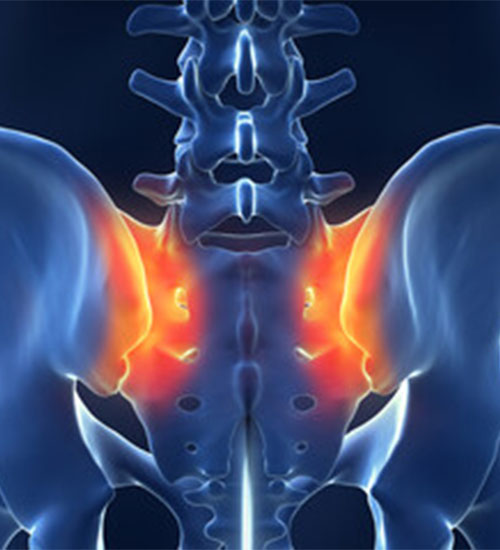
Sacroiliac joint pain is generally the most misdiagnosed and mistreated form of low back pain. Pain from a disc injury can refer to a similar area. The sacrum and surrounding structures serve as the origin or insertion for large muscles such as the lumbar paraspinals, the gluteus maximus and the fascia of the latissimus dorsi, which can all become overused and cause pain. SIJ dysfunction generally falls into two categories: instability or excessive stiffness.
Manipulation is a common form of treatment for SIJ dysfunction, but clearly this is only a viable option if excessive stiffness is causing the pain – and manipulation won’t address why the joint is stiff in the first place. Some people with SIJ pain may have associated inflammatory conditions such as ankylosing spondylitis, or psoriatic arthritis, and may require medical referral.
Pain is generally one-sided, and at or below the level of L-5. It may refer into the glutes and/or the thigh. SIJ pain occurs most commonly in gym goers who perform too much single leg work – particularly squats and their variations, and lunges. Trauma such as a fall from a height may also be a cause. A history of lower limb injuries may also contribute to developing SIJ dysfunction, most likely through altered loading patterns. Pregnancy, through a relaxation of the ligaments, is also a major reason for SIJ pain.
What Is the Sacroiliac Joint?
The SIJ’s purpose is to distribute the forces between the upper and lower body. It also acts as a conduit between the hip and lumbar spine. Consequently, the SIJ has large forces imposed upon it, especially during walking, running, lifting and one-sided sporting activities.
There is a significant amount of ligamentous stability with the the SIJ joint, so if these ligaments become injured or more lax, then the resultant instability will have to be made up for by increased muscular stiffness. Researchers have found that weakness in the posterior chain contributes to instability.
An asymmetrical pattern of hip mobility may play a role in SIJ pain. Having less mobility in one hip compared to the other means the SIJ will sustain uneven forces during even simple actions like walking and stair climbing, let alone unidirectional sports such as golf, tennis and hockey.
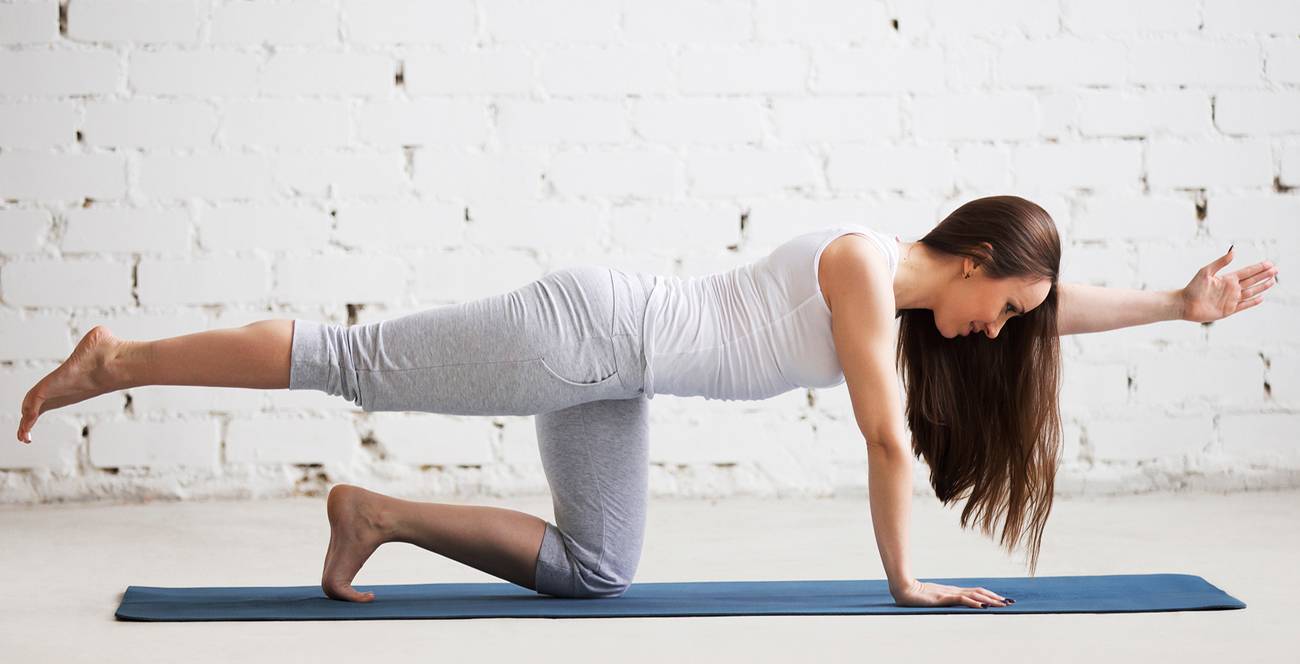
SIJ rehabilitation involves gluteal, core and latissimus dorsi strengthening, as well as functional movement retraining.
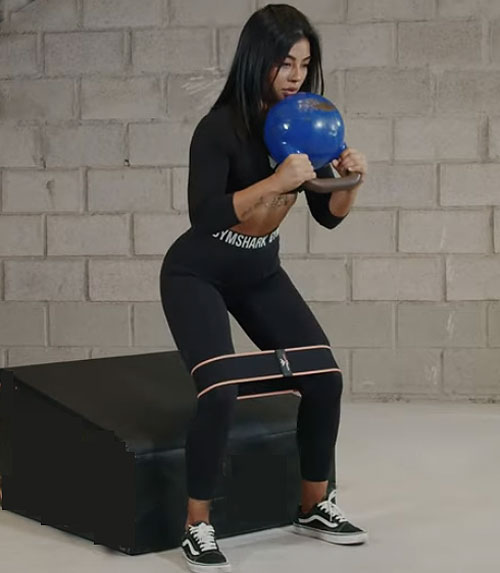
The latissimus is the large muscle along the back that attaches to the humerus – it’s the muscle that pull ups work. The fascia from the latisimus spreads across the lower back and sacrum, and helps stabilise the joint so weakness in this muscle can lead to instability. Combining these muscles into a single movement like a banded box squat with weight is an excellent rehab tool – at the right time.
Differentiating SIJ pain from disc-related injury can be problematic. One clue is the nature of the activities causing pain. Disc injuries tend to hurt with flexion-based movement and postures – sitting, bending forward, standing for a long period. SIJ pain tends to be more one-sided in nature, and hurts during single leg loading tasks – stairs, standing on one leg to dress, one-sided sporting activities.
One of the most common reasons for SIJ dysfunction is too much single leg work in the gym, particularly the ever popular Bulgarian split squat,lunges and offset-type leg work.
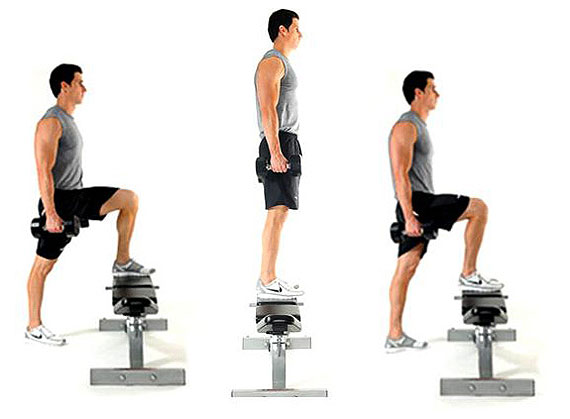
These exercises can impose excessive shearing force upon the SIJ, and may have to be discontinued for a period of time. The Step-up is a better choice of exercise.
Sacroiliac joint dysfunction is thought to be responsible for somewhere between 15-30% of mechanical low back pain, which is a large range. It’s difficult to accurately diagnose SIJ pain without a combination of tests, as well as general location, which is why basic physiology and biomechanics are important.
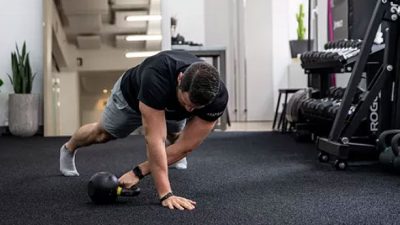
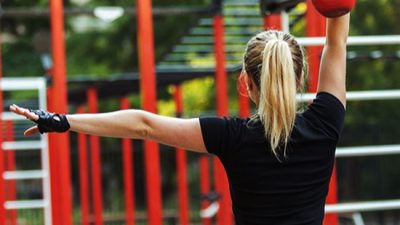
Progressing to a core stability exercise like the kettlebell pull through may be necessary for some people. Addressing hip mobility imbalances will ensure the forces from future activities are more evenly distributed through the SIJ. Exercises like the overhead suitcase carry develop frontal and sagittal plane core stability, glute strength and tie in the latissimus dorsi together with the glutes to help stabilise the SIJ.
Back pain isn’t for life – unless you want it to be.
related articles


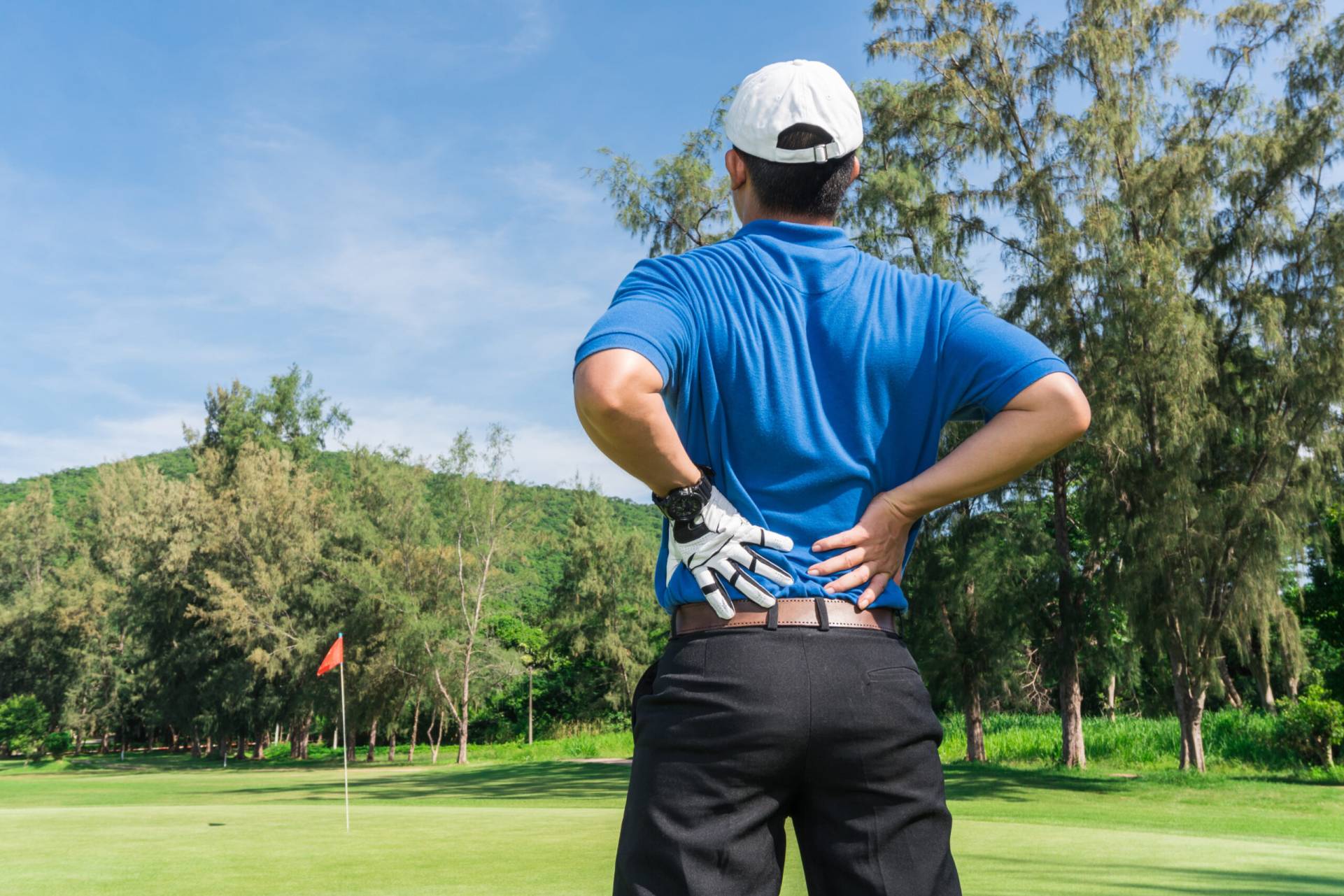
Golf is perhaps the one sport most closely associated with lower back pain. Around 30% of golfers experience back pain during or after golf. Is this related to the actions of the golf swing itself, or other factors?
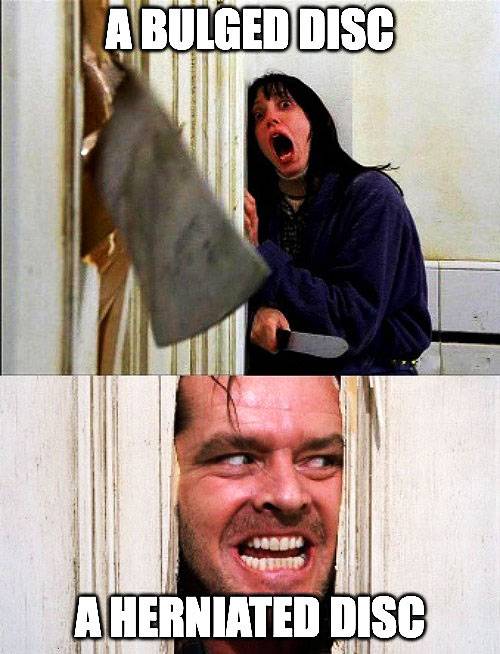
Disc injury is the most common form of lower back pain. Bulges, age-related degeneration, lateral herniation and end plate injury are the most likely disc injuries, but the most common is a disc bulge.
A lack of core stability is often cited as one of the most common reasons for lower back pain. Most people, even rehab professionals, are ignorant of true core function and its relevance to lower back injury.
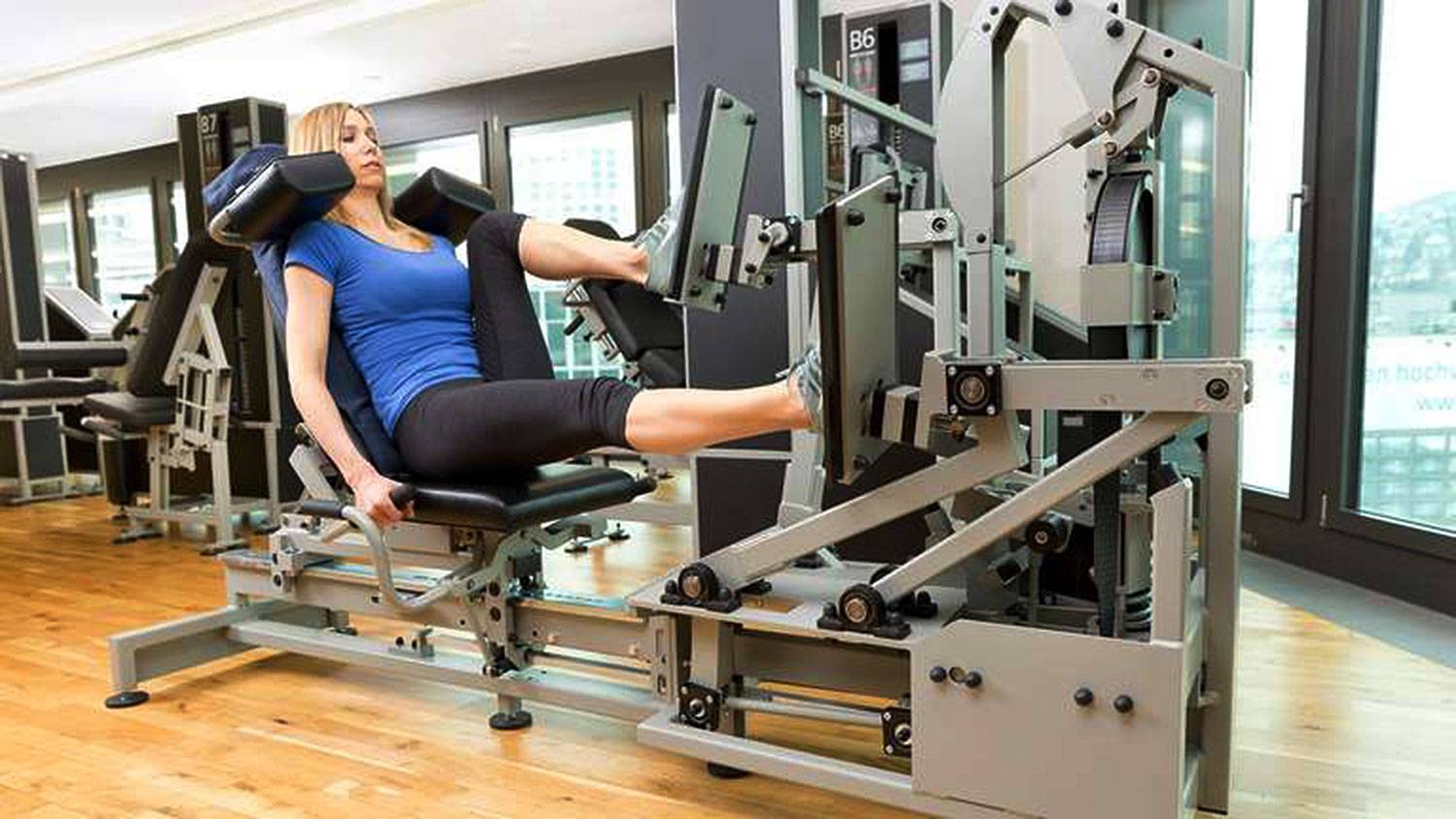
Machine-based training is everywhere claiming the best results for treating lower back pain. for some people, it might work, but it is more likely to aggravate the condition further, and will never future-proof your body for some simple reasons.
A slipped disc is a common but inaccurate diagnosis. Discs can herniate, but true herniation is rare. Terminology matters, as it relates to professionalism and rehabilitation.